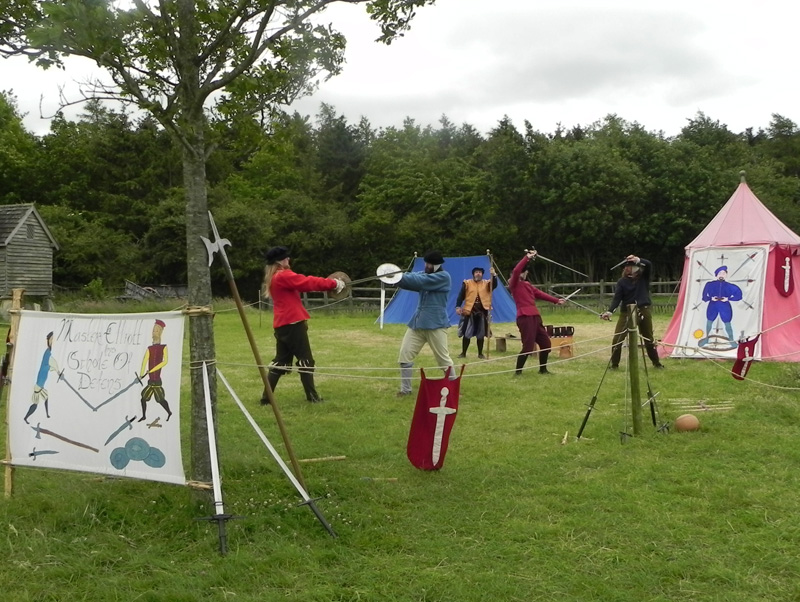
 Combat Display - sword and buckler on left and sword; dagger on right
In 16th Century Europe there were martial arts schools which trained civilians in what was then called 'The Science of Defence'. This taught individual skill in single combat, primarily for self defence, as opposed to co-ordinated drilling and fighting together as a group that was key to the military training of the era. These schools were run by Masters who all had their own favoured styles, but who cooperated to maintain standards. Students advanced through the grades by playing Prizes - open competitions where the student agreed to fight any challenger in a selection of weapon styles and be judged by the local Masters.
There is a short article going into more detail here, which includes suggestions for further reading.
A range of books explaining the principles and techniques studied have survived to the present day, and it is these that are used in modern interpretations of historical styles. |
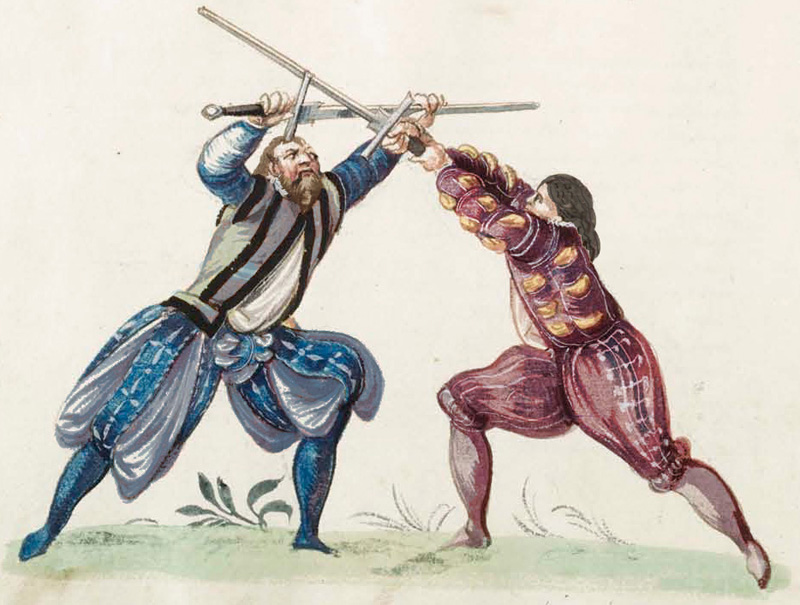
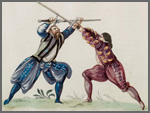
Illustration from 16th Century combat manual
"The High Cut is a straight cut direct from above at your opponent's head towards his scalp, for which
reason it is also called the Scalp Cut"
Lothene’s objective is to recreate a School of Defence, studying the martial arts of late mediaeval and renaissance Europe, practicing in the way they did at the time. We only use techniques derived from the surviving manuals and other records, and are attempting to train for deadly combat in earnest rather than sporting bouts. Limitations in the descriptions and illustrations in the surviving manuals mean that interpretation, experimentation and combat experience is required to develop a working modern martial art from them.
While we practice using free competitive sparring, we emphasise that you are primarily competing with yourself. Since we are not actually hurting each other, there are limitations on what techniques can be safely completed in free practice and it important not to allow this to distort how you fight. If you take advantage of your practice opponent being careful of your safety to use a technique which could be countered if they didn’t mind hurting you, you are effectively cheating and also training yourself to be killed in a real fight. Remember, this is the Science of Defence and the objective is to protect yourself first and foremost. After all, in a real fight it doesn't matter how many people you kill, what matters is that they all fail to kill you. It's not a draw if you get hit while also landing a blow – you both lost. You can only win by defeating your opponent without being injured yourself. |
Lothene can also demonstrate various aspects of the daily life of people of 16th Century Scotland.
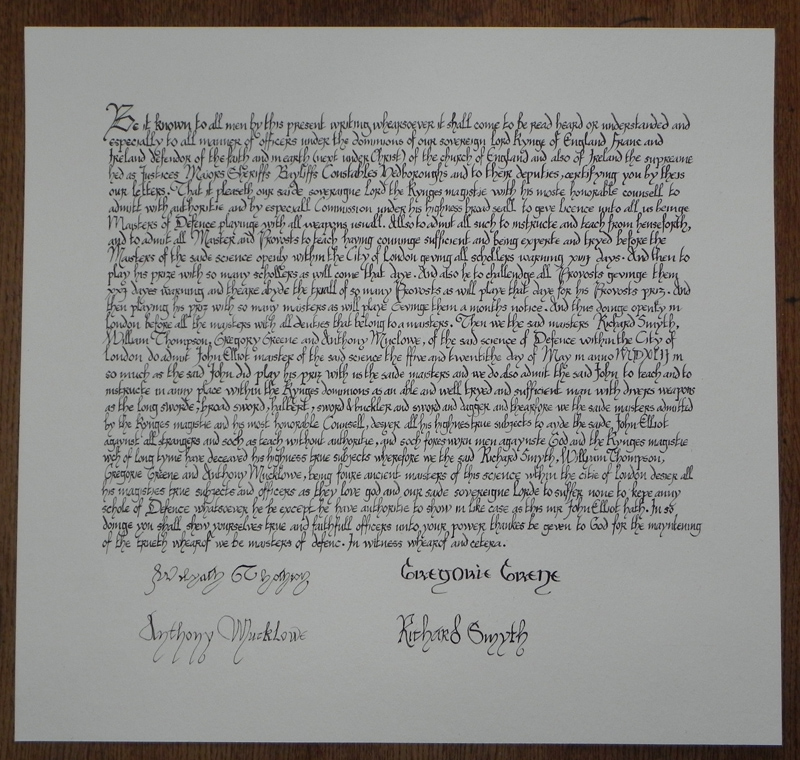
calligraphy - Maister's letter of authority to run a combat school (made by NJ Saunders)
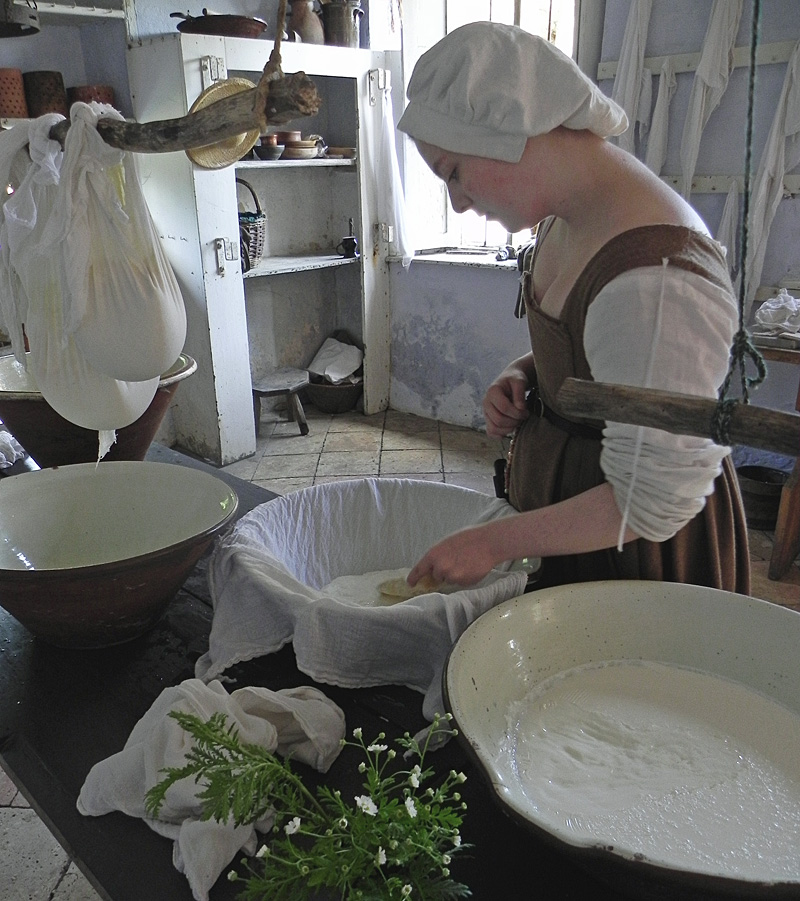
Cheese making (picture taken in the dairy at Kentwell Hall, Suffolk)
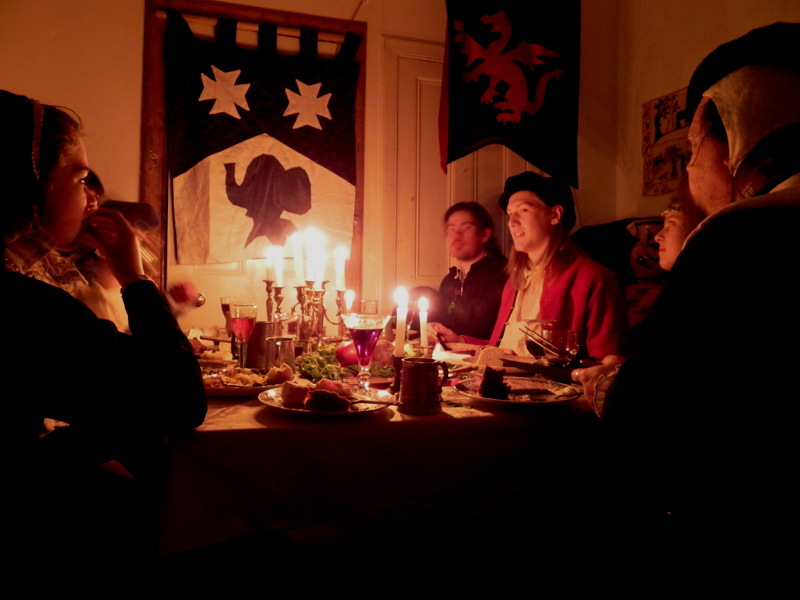
Household dinner to celebrate Twelfth Night
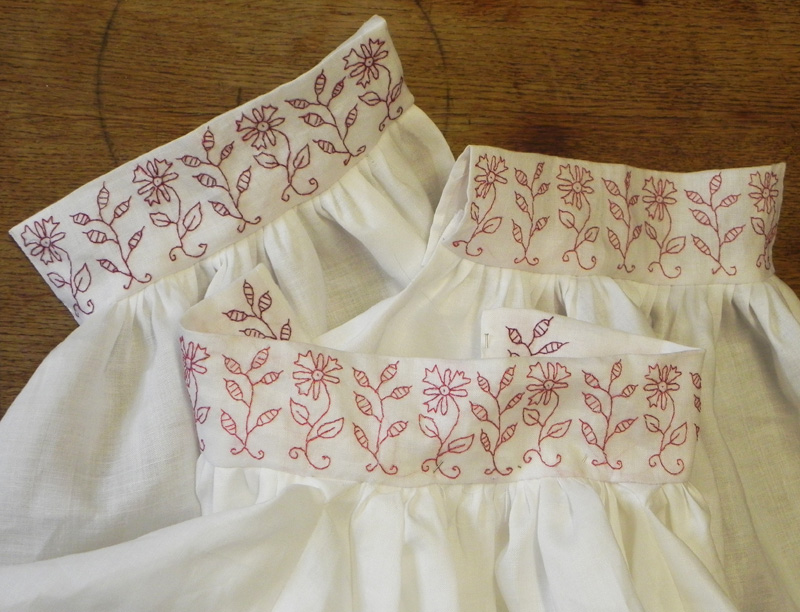
hand embroidered shirt cuffs and collar
If you'd like to enquire about displays contact Alastair Saunders
Interested in joining us?
Find out about membership
See also Events Page and Our Workshops